
Saeed Vahidi

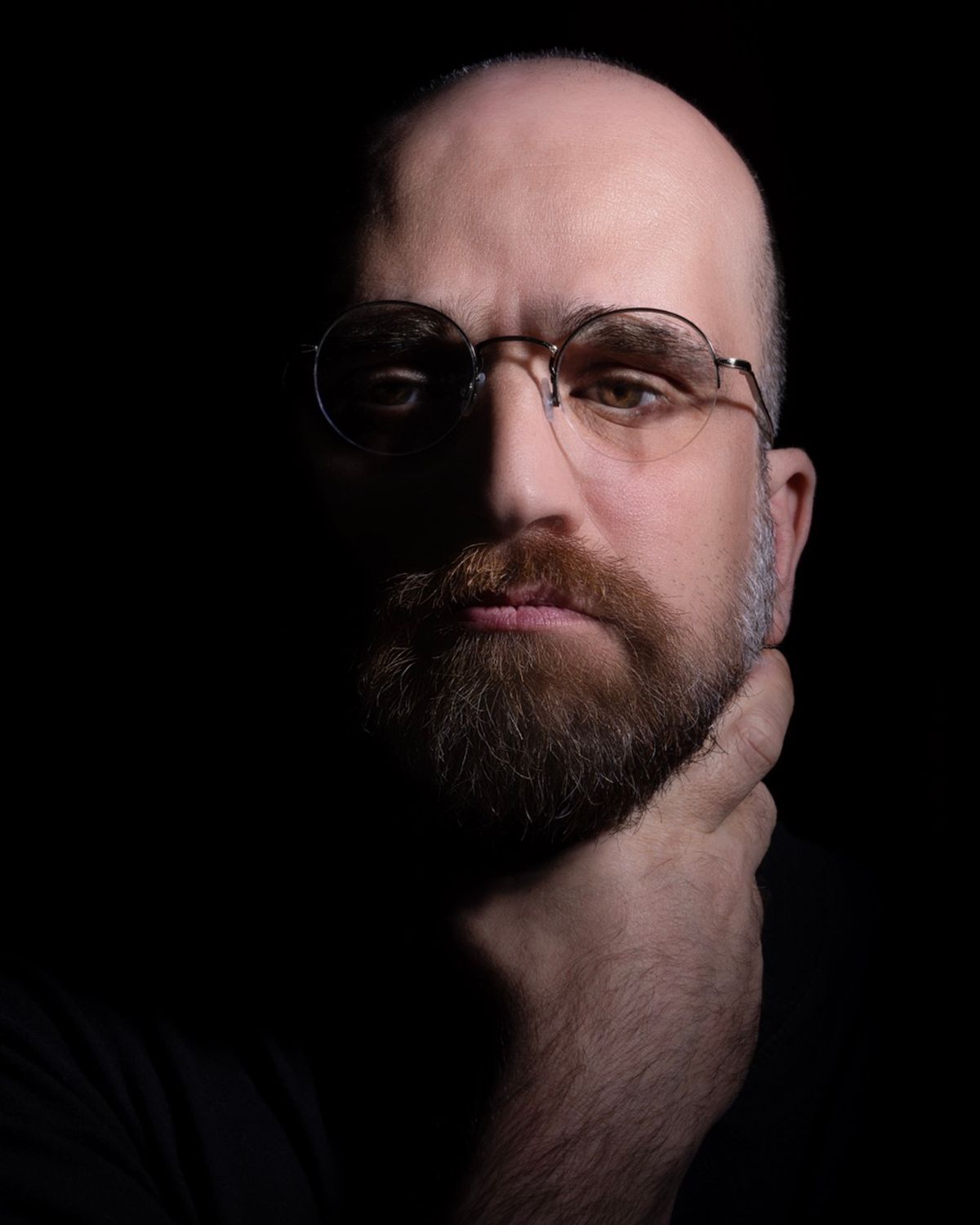
Saeed Vahidi is an Iranian-Canadian filmmaker, editor, and educator based in Vancouver whose award-winning work, including the 2026 CCE Award for Best Editing and Best Editing (TV Movie) at the 2026 Leo Awards, bridges commercial craft and artistic vision across documentary, fiction, and independent film.
Awards
Leo Award
Best Picture Editing in a Television Movie
Winner
2026
CCE Award
Best Editing in a Movie of the Week (Mow)
Winner
2026
Vancouver Short Film Festival
Best Editing
Nominee
2025
Leo Award
Best Picture Editing
Nominee
2023
McMinnville Short Film Festival
Best Genre
Winner
2020
About
Saeed Vahidi is an Iranian-Canadian filmmaker, editor, and educator based in Vancouver. He studied filmmaking in Iran and continued his studies in film editing at the Film and Television Institute of India, and has attended workshops with renowned artists such as Walter Murch and Abbas Kiarostami. He has made documentaries and short fiction films, and has worked extensively in editing rooms across the independent and professional film industries, developing both a commercial and artistic understanding of, and approach to, film.
His Canadian directorial debut, We Were There (2019), won the Best Genre Award at the McMinnville Short Film Festival in 2020, among other honours. His recent short film, Colour Me Blue, is scheduled for release this year.
Saeed Vahidi is an Iranian-Canadian filmmaker, editor, and educator based in Vancouver. He studied filmmaking in Iran and continued his studies in film editing at the Film and Television Institute of India, and has attended workshops with renowned artists such as Walter Murch and Abbas Kiarostami. He has made documentaries and short fiction films, and has worked extensively in editing rooms across the independent and professional film industries, developing both a commercial and artistic understanding of, and approach to, film.
His Canadian directorial debut, We Were There (2019), won the Best Genre Award at the McMinnville Short Film Festival in 2020, among other honours. His recent short film, Colour Me Blue, is scheduled for release this year. As an editor, Saeed has also received the 2026 CCE Award for Best Editing in the MOW category and Best Editing (TV Movie) at the 2026 Leo Awards. He is a member of Vancouver's Damn Good Editors.
When he isn't making films or editing, Saeed mentors young editors and supports independent Iranian theatre groups in presenting their plays in Canada. He is a true film lover who watches a movie every night before going to sleep.
Process
“A good editor isn't just cutting pictures together; they're anticipating what the viewer is curious about, worried about, or hoping for, and shaping the cut around that. You're editing the audience's experience as much as you're editing the footage. That's really a question of psychology — understanding how an audience thinks and feels moment to moment. And it plays out through rhythm and emotional pacing: deciding exactly when to reveal something, when to hold back, when to let a moment breathe and when to cut it short. That control over information and timing is what creates suspense, or makes an emotional beat actually land instead of just passing by. None of that works without collaboration and trust with the director. The editor and director need to work together closely, and the editor's role is to help push the director's ideas to the next level — offering a different angle or possibility the director may not have seen yet, always in service of their vision. That kind of trust takes time to build, which is why patience is so essential in the edit suite. Some of the best moments in a film only reveal themselves after sitting with the footage, trying different combinations, and giving the story room to find its shape. That balance of patience with the material and collaboration with the director is often what separates a film that truly connects from one that just gets finished.”
“My philosophy is simple: follow what the footage is actually telling you, even when it means departing from the script. The edit suite is the last creative stop for a movie. By the time it reaches me, the director has already worked out the script and the performances, but now the editor comes in almost as a second director, building the real story out of everything provided: script, performances, and footage. Sometimes the version everyone imagined on set simply doesn't work once you're in the room with the footage. If you stay loyal to the original plan out of habit, the story breaks. But if you're honest with the material, willing to let go of what was written and follow where the footage actually leads. That's where the story gets made. This is something I learned directly from workshops with Walter Murch: a cut isn't just a technical join, it's an emotional decision. The script tells you what was intended, but the footage tells you what actually happened in front of the camera, and those two things aren't always the same. My job is to notice when they diverge, and to be brave enough to bring different ideas to the table instead of simply executing the original plan.”